Gold has consistently occupied a significant position in Indian culture, representing wealth, prosperity, and tradition. As we examine the evolving landscape of gold trading in India, this discussion will focus on innovative trading methods, including online platforms, mobile applications, Gold Exchange-Traded Funds (ETFs), and digital gold. An analysis of the benefits and challenges associated with these methods will be provided, offering insights into their respective advantages and disadvantages. Furthermore, we will explore the future of gold trading, highlighting emerging trends and predictions that may influence the industry.
History and Significance of Gold in Indian Culture
Gold has historically played a pivotal role in the cultural and economic landscape of India, representing wealth, prosperity, and tradition since ancient times. Its significance transcends mere ornamentation, as it is intricately linked to social customs, religious practices, and economic systems. In India, gold trading has developed in various forms, including jewellery and bullion trading, and has emerged as a vital element in wealth preservation and investment strategies, reflecting the historical importance of gold in shaping the nation’s identity and economic stability.
Throughout the ages, this precious metal has been prominently featured in rituals and celebrations, such as weddings, where gold jewellery symbolises auspiciousness, and festivals like Diwali, during which gold is often regarded as a harbinger of good fortune. These practices highlight gold’s cultural relevance, reinforcing its status within social dynamics. The fluctuations in gold prices significantly influence various investment options, leading individuals and families to perceive gold not only as a status symbol but also as a safeguard against economic uncertainty. The evolution of gold trading methods, particularly in the digital age, has further diversified the ways in which individuals engage with this asset, establishing it as a significant pillar in both personal finance and broader economic practices in India.
Innovative Gold Trading Methods
In recent years, the landscape of gold trading in India has experienced the emergence of innovative trading methods that align with the evolving preferences of investors. Traditional forms of bullion trading have been augmented by fintech solutions, providing investors with access to digital gold and gold exchange-traded funds (ETFs) through various online trading platforms. These advancements have significantly enhanced market liquidity and increased the accessibility of gold investments, thereby facilitating asset diversification and effective risk management within investment portfolios.
Online Trading Platforms and Mobile Apps
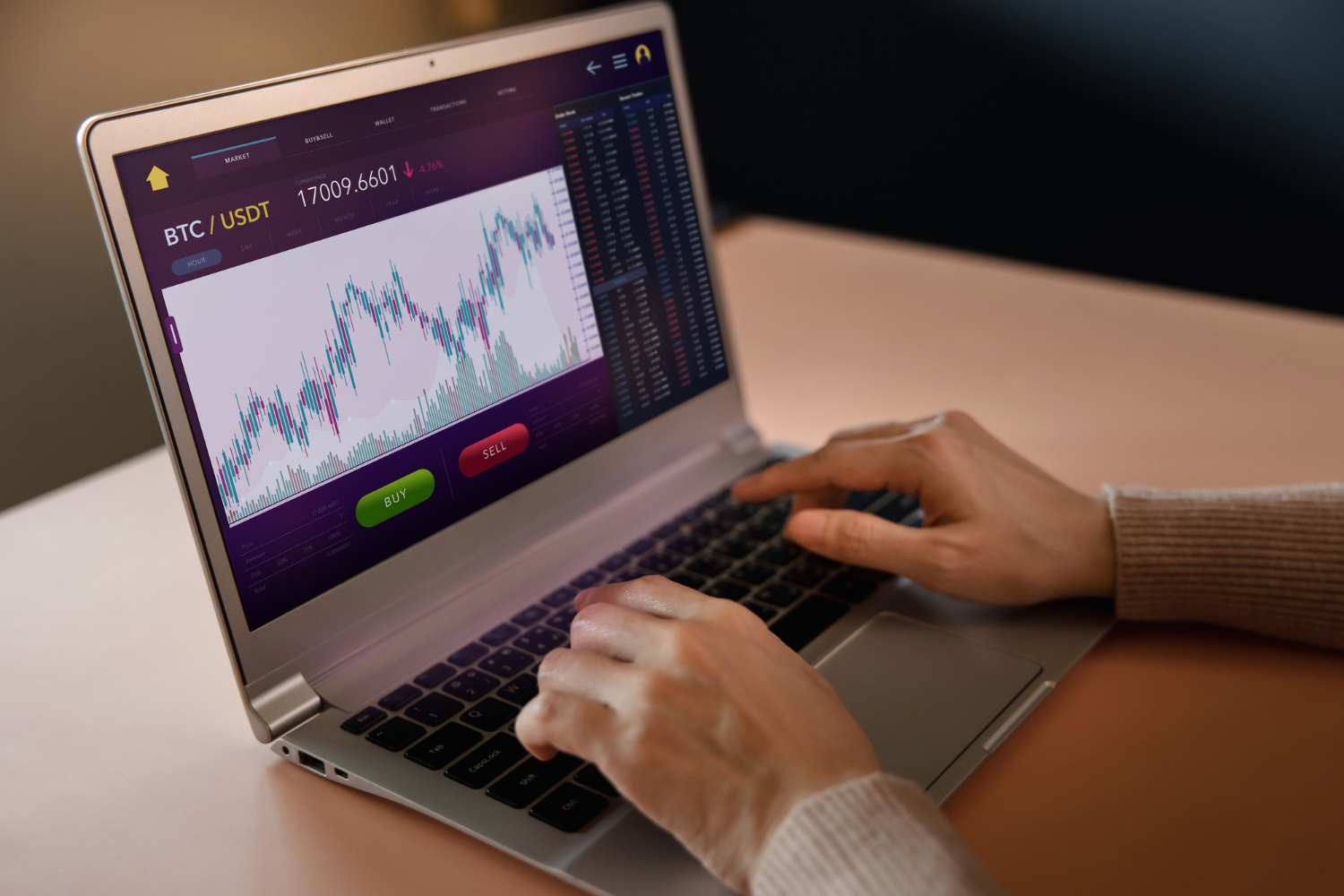
The emergence of online trading platforms and mobile trading applications has transformed the way in which investors interact with the gold market, providing unprecedented access to trading opportunities. These digital solutions not only facilitate seamless transactions but also offer essential features such as market analysis and educational resources for investors, thereby enabling users to make informed investment decisions.
Consequently, the liquidity and trading volume of gold have experienced significant increases, rendering it an attractive option for both novice and experienced investors. The advanced tools available on these platforms enable users to formulate and execute customised trading strategies that align with their risk tolerance and financial objectives. Real-time updates on gold pricing and market trends ensure that investors remain informed, allowing for timely decisions that can enhance returns. Furthermore, the emphasis on customer support and trust cultivates a secure trading environment, instilling confidence among users as they explore diverse investment opportunities. The integration of technology into gold trading is establishing a new standard for accessibility and education, thereby shaping the future of investment.
Gold ETFs and Digital Gold
Gold ETFs and digital gold have become increasingly popular financial instruments for investors seeking exposure to gold without the complexities associated with physical ownership. These innovative investment options enable investors to capitalise on fluctuations in gold prices while ensuring ease of trading and liquidity. With the growing acceptance of digital assets and the accompanying regulatory framework that supports these investment vehicles, gold ETFs and digital gold are revolutionising the approach individuals take towards gold trading in India.
These assets offer a unique combination of diversification, serving as a hedge against market volatility and thereby mitigating risks related to traditional equities. Furthermore, trading algorithms enhance the investment experience by facilitating quicker transactions and providing access to real-time market data. Investors must remain cognisant of potential challenges, such as the impact of taxation on gold investments, which can significantly influence returns. Understanding these nuances is essential for anyone aiming to successfully integrate gold ETFs and digital gold into their wealth management strategy.
Benefits and Challenges of Gold Trading in India
Gold trading in India provides numerous advantages, including substantial asset diversification, a safeguard against inflation, and opportunities for effective wealth management. Nevertheless, it also poses challenges such as market volatility and regulatory complexities that investors must address. As the gold market continues to evolve, comprehending these benefits and challenges is essential for formulating effective investment strategies that align with individual financial objectives and risk tolerance.
Pros and Cons of Different Trading Methods
Different trading methods in the gold market present unique advantages and disadvantages that can significantly influence investors’ decisions. For example, traditional bullion trading may offer historical value and tangible wealth preservation, whereas innovative solutions such as gold ETFs or digital gold provide enhanced liquidity and ease of access. It is essential for investors to carefully evaluate these pros and cons to determine the most suitable trading methods that align with their investment objectives and ethical considerations.
In examining these trading methods, it is also crucial to consider the relevant regulations governing gold trading transactions. Traditional methods often necessitate physical storage, which can incur additional costs and responsibilities, while modern approaches may focus on reduced fees and expedited transactions. Furthermore, various aspects of trading ethics, including transparency and fair pricing, play a significant role in shaping consumer behaviour. By comprehending the implications associated with these methods, investors can make informed decisions that reflect both their financial goals and their commitment to ethical standards within the marketplace.
Future of Gold Trading in India
The future of gold trading in India presents a promising outlook, propelled by technological advancements and evolving investor preferences. The increasing acceptance of fintech solutions and digital assets positions the gold market for substantial transformation, thereby providing enhanced trading platforms and innovative investment opportunities. As economic growth persists and market trends adapt, the importance of investor education and preparedness will be crucial in successfully navigating the dynamic landscape of gold trading.
Trends and Predictions for the Industry
Emerging trends and predictions for the gold market suggest a transition towards more digital and innovative trading methods, reflecting broader changes in investor behaviour and preferences. As demand for gold continues amid fluctuating economic conditions, analysts anticipate a rise in the adoption of gold-backed cryptocurrencies and enhanced market liquidity facilitated by advanced trading platforms. This evolution is expected to generate new investment opportunities while emphasising the need for improved risk management and financial literacy among investors.
The dynamics of gold reserves are becoming increasingly significant, as central banks globally develop strategies for their holdings to mitigate economic uncertainties. This has resulted in a noticeable increase in trading volume, with shifts in demand-supply dynamics closely monitored by astute traders. Investors are beginning to acknowledge gold’s potential not only as a safe-haven asset but also as a hedge against inflation. As these trends evolve, it is imperative for those engaged in gold investments to remain vigilant regarding market fluctuations and emerging technologies that have the potential to reshape traditional trading strategies.