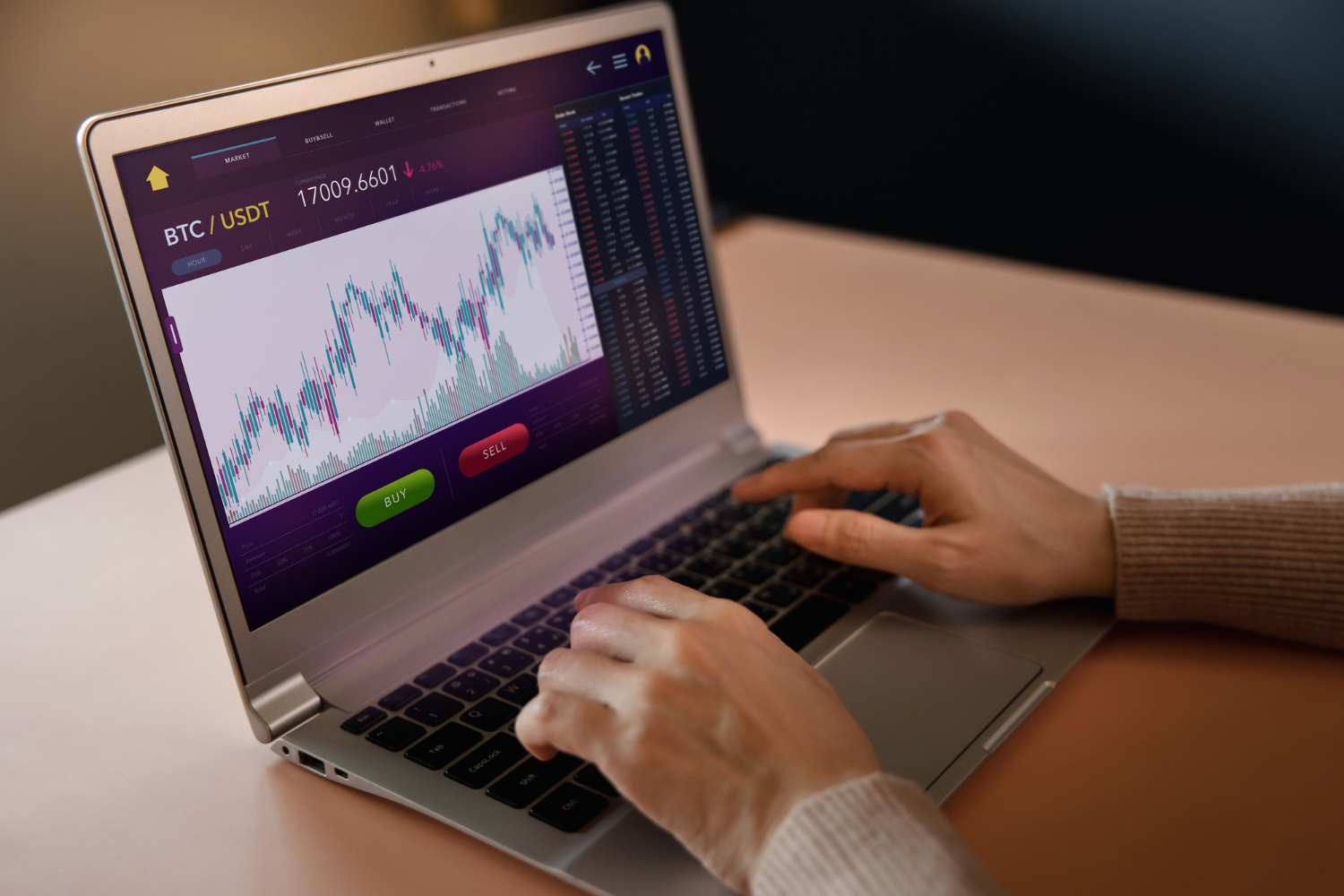
In the volatile world of Forex trading, Ghanaian traders face unique hurdles like Cedi fluctuations and frequent power outages-yet discipline turns losses into profits.
Discover why it matters, overcome local challenges, set realistic goals aligned with Ghana’s economy, craft structured plans for local time zones, master risk management, build emotional control, and forge habits with accessible tools.
Unlock the secrets to consistent success-start trading with unshakeable discipline today.
Understanding Discipline in Forex Trading
Discipline means following predefined rules regardless of emotions. Mark Douglas in Trading in the Zone calls it the edge that turns average traders profitable. It separates those who succeed from those who fail in the Forex market.
Experts like Van Tharp highlight the 80/20 rule in trading psychology. This rule suggests 80% psychology and 20% strategy drive results. Mastering emotional control builds consistency over time.
For Ghanaian traders, discipline addresses local challenges like USDGHS volatility and power outages. It ensures adherence to a trading plan amid economic pressures. Develop it through journaling trades and backtesting strategies on a demo account.
Practice self-discipline techniques such as the Pomodoro technique for focused sessions. Set clear goals for risk management and position sizing. This foundation supports long-term success in trading Forex.
Why Discipline Matters for Ghanaian Traders
Ghanaian traders face unique risks in the Forex market, making discipline essential for survival. Cedi depreciation adds pressure on capital preservation. Without rules, losses mount quickly during volatile periods.
High leverage ratios like 1:500 tempt overtrading among locals. Many abuse it without stop loss or take profit orders. Discipline enforces proper position sizing to protect accounts.
FOMO during the London open leads to impulsive entries on pairs like GBPUSD. Ghanaian traders often chase moves without analysis. A solid plan prevents revenge trading and greed control issues.
- Use a trading journal to review emotional decisions daily.
- Practice on MT4 demo accounts to build patience before live trading.
- Join local WhatsApp groups for accountability and mentorship.
Disciplined traders maintain higher win rates through risk reward ratios and routine building. They avoid drawdowns from news trading on economic indicators. Focus on psychological resilience for consistent equity curves.
Ghana-Specific Trading Challenges
Ghanaian traders face unique barriers that test discipline more than anywhere else in Africa. Local infrastructure issues like frequent power outages and unreliable internet put Ghanaian traders at a disadvantage compared to global counterparts with stable grids.
Bank of Ghana monetary policy changes often amplify Cedi swings against major currencies. Funding delays with MTN MoMo can disrupt timely deposits, forcing traders to wait hours or days for trades to execute.
These challenges demand stronger trading psychology and risk management. Ghanaian traders build discipline by creating backup systems and strict routines to stay consistent in the Forex market.
Experts recommend demo accounts first to practice under local conditions. This approach fosters patience and prepares for live trading with capital preservation in mind.
Managing Cedi Volatility and Power Outages
USDGHS surged 42% in 2023 (Bank of Ghana), wiping undisciplined traders while power outages hit 200+ days annually. These issues disrupt trading plans and test emotional control. Ghanaian traders counter with targeted strategies.
| Challenge | Impact | Discipline Solution |
| Cedi volatility | Sudden losses on USDGHS or EURGHS pairs | Position sizing rules: Risk only 1% per trade, use stop loss and take profit |
| Power cuts | Missed entries during London session trading hours | VPS hosting: Run MT4 on remote server for 24/7 access |
| Internet issues | Lagging charts, failed orders | Mobile data backups: Switch to MTN 4G, use MT4 mobile app |
Set up MT4 mobile by downloading from your broker, logging in with demo credentials, and enabling push notifications for alerts. Practice on GBPUSD during volatile news to build greed control.
Journal trades daily to track drawdown from Cedi moves. This habit formation strengthens psychological resilience against local disruptions.
Setting Realistic Trading Goals
Most Ghanaian traders aim for 100% monthly returns. In reality, 2-5% targets preserve capital long-term. Fantasy expectations clash with harsh truths like Ghana’s high inflation rates.
With inflation eating into profits, traders often chase quick wins in the Forex market. Yet, consistent small gains build discipline and protect against losses. Reality demands patience over greed.
Use the SMART goals framework adapted for Ghana: Specific, Measurable, Achievable, Relevant, Time-bound. For example, aim for steady growth on pairs like USDGHS or EURGHS. This counters economic volatility from oil prices and Bank of Ghana policies.
Break goals into daily actions, such as journaling trades or reviewing economic indicators. Track progress to foster trading psychology and emotional control. Realistic targets lead to sustainable success in Forex trading.
Aligning Goals with Ghanaian Economic Realities
Target 25% annual returns after inflation and capital gains tax. This proves achievable with 2% monthly compounded growth. Adjust for local factors like power outages and mobile money funding via MTN MoMo.
Follow this numbered goal-setting template to align with Ghanaian life.
- Calculate living expenses, such as average GHS 3,000 per month for basics like rent and food.
- Risk 1% per trade on a GHS 10,000 account, using position sizing for capital preservation.
- Track progress via Google Sheets with a free template for win rate and drawdown.
- Conduct quarterly reviews to refine your trading plan amid USDGHS volatility.
Example ROI: Start with GHS 10,000 and grow to GHS 12,500 by Year 1 through consistent risk management. Use stop loss and take profit on trades during active hours. This builds patience and prevents overtrading.
Incorporate self-discipline techniques like daily checklists for entry signals and market analysis. Review technical indicators such as RSI or moving averages. Aligning goals this way strengthens psychological resilience in Ghana’s Forex scene.
Creating a Structured Trading Plan
Your trading plan is your discipline contract, written rules followed 100% of the time. In Ghana, the Forex market operates from 7am to 11pm GMT, aligning with London and New York sessions. This window suits Ghanaian traders, but routine over talent builds lasting success in trading psychology and risk management.
Use a checklist format for your plan to enforce consistency. Outline entry signals, stop loss levels, and take profit targets for pairs like GBPUSD or USDGHS. Review it daily to prevent emotional control slips like overtrading or FOMO.
Include position sizing rules for capital preservation, such as risking no more than 1% per trade. Backtest strategies on a demo account before live trading. This structure fosters patience and greed control, key for Ghanaian traders facing power outages or internet issues.
Journal trades with screenshots of support resistance levels and candlestick patterns. Set weekly goals for win rate and risk reward ratio. A solid plan turns discipline into habit, supporting long-term financial independence.
Daily Routines for Ghana Time Zones
Follow this 7am-10am GMT routine: 30min news (Investing.com), 60min charts (MT4), 30min journal. Ghana’s time zone fits the trading hours perfectly, from 7am wake-up to 10pm review. Build routine building with Pomodoro timers via Focus Booster for focus during volatility.
Stick to this numbered daily schedule for self-discipline techniques in Forex trading.
- 6:30am Wake/Prayer: Start with mindfulness or meditation for psychological resilience and fear management.
- 7am Economic calendar: Check ForexFactory for economic indicators like interest rates or Bank of Ghana updates.
- 8am Chart analysis: Use RSI and EMA on MT4 for trend following or scalping setups on EURGHS.
- 9am-5pm Trading: Focus on London/NY overlap, day trading with stop loss and take profit.
- 10pm Review: Journal trades, analyze equity curve, and note drawdown lessons.
Incorporate Pomodoro technique: 25min focused work, 5min break to avoid revenge trading. Use mobile trading apps with MTN MoMo for cedis funding during sessions. This checklist prevents overtrading and builds consistency.
Weekly checklist template: Review win rate, risk reward ratio, and journal entries every Sunday. Track streaks with positive reinforcement for habit formation. Adjust for local factors like inflation rates or power outages to maintain emotional control.
Mastering Risk Management
Risk management preserves capital when discipline fails. It acts as your ultimate safety net in Forex trading. For Ghanaian traders with small accounts, the 1% rule proves essential to avoid quick wipeouts.
Van Tharp’s position sizing methods emphasize adjusting trade size based on account equity and stop loss distance. This approach suits limited capital common among beginners in Ghana. It promotes long-term survival over short-term gains.
Implement strict risk management by setting stop losses and taking profits before entering trades. Journal every decision to build emotional control and consistency. Practice on a demo account to test these rules without real losses.
Ghanaian traders face unique challenges like power outages and mobile money funding via MTN MoMo. Use MT4 platform tools for quick position sizing during volatile USDGHS sessions. This routine fosters patience and prevents overtrading driven by FOMO.
Position Sizing for Limited Capital
Never risk more than 1% of a GHS 5,000 account, which equals GHS 50 maximum loss per trade. Calculate position size with this formula: Account x Risk% / (Stop Loss Pips x Pip Value). This keeps drawdowns low even during losing streaks.
For example, on EURUSD with a 20-pip stop loss using 0.01 lot, risk equals about GHS 45. Adjust lot size down for tighter stops or higher volatility pairs like GBPUSD. Always verify pip value for currency pairs traded in Ghana.
| Account Size (GHS) | Max Risk (1%) | Example Lot Size (20-pip SL) |
| 5,000 | 50 | 0.01 |
| 10,000 | 100 | 0.02 |
| 20,000 | 200 | 0.04 |
Use free tools like Myfxbook calculator for instant results. MT4 offers a Position Sizer EA for about $30 to automate this. These help maintain capital preservation amid Ghana’s internet reliability issues.
Backtest position sizing on historical data for USDGHS or EURGHS pairs. Review your equity curve weekly to spot greed control failures. Combine with a trading plan that includes entry signals from RSI or moving averages for disciplined execution.
Building Emotional Control
80% of trading decisions are emotional, so control yours or they control your account. In Forex trading, the amygdala hijack triggers impulsive moves during market swings. Ghanaian traders face extra pressure from family expectations for quick wealth and local economic ups and downs like cedi volatility against USDGHS.
Family demands for fast returns often push Ghanaian traders into overtrading. This leads to chasing losses on pairs like EURGHS or GBPUSD. Build emotional control to protect your capital and stick to your trading plan.
Practice trading psychology techniques daily to manage fear and greed. Use journaling trades to spot emotional patterns after sessions. Consistency in emotional control supports long-term discipline in the Forex market.
Develop patience through routine building and goal setting. Avoid FOMO during high volatility by reviewing your risk management rules. Strong emotional control ensures capital preservation and steady progress.
Techniques for High-Pressure Sessions
Use 4-7-8 breathing during NY session volatility: Inhale 4s, hold 7s, exhale 8s. This calms nerves before trading USDGHS or major pairs. It helps drop stress levels quickly amid Ghana’s trading hours overlap.
Here are five proven techniques for high-pressure sessions:
- Pre-trade checklist with 5 rules: Confirm trend following setup, set stop loss, check position sizing, review economic calendar, ensure profit aligns with risk reward ratio.
- Meditation apps like Headspace for 10min sessions to build mindfulness and focus before open.
- Journal triggers: Note emotions like fear management or greed control after each trade, review weekly for patterns.
- Walk-away rule: Stop after 3 losses to prevent revenge trading or overtrading.
- Reward system: Treat yourself to suya after GHS 50 profit to reinforce positive habits.
These draw from the Marshmallow test analogy for delayed gratification. Like kids waiting for two treats, skip small wins for bigger trading gains. Apply them in demo account first, then live trading.
Combine with Pomodoro technique for focused analysis of support resistance or RSI indicators. Track streaks in your journal to build self-discipline. This fosters psychological resilience during power outages or internet issues in Ghana.
Developing Consistent Habits
Habits beat motivation. Traders who journal daily build discipline over time. The Atomic Habits framework shows small changes lead to big results in forex trading.
Research suggests habits form in about 66 days with consistent effort. Ghanaian traders can apply this by starting with simple routines like reviewing charts each morning. This builds trading psychology and emotional control.
Focus on routine building around the forex market. Set goals for position sizing and stop loss adherence. Use self-discipline techniques like the Pomodoro technique for focused sessions during trading hours.
Incorporate journaling trades and weekly performance reviews. Track streaks for patience and greed control. This fosters consistency essential for long-term success in live trading.
Tracking Progress with Local Tools
Download this Google Sheets template tracking 17 metrics: win rate, risk reward ratio, max drawdown. Ghanaian traders benefit from free, accessible tools despite power outages. These support mobile trading apps on MTN or Vodafone networks.
Set up your sheet with columns A through M: Date, Pair, Entry, SL, TP, Risk%, Outcome, plus notes on emotional control and news impact. Add formulas for streak tracking, like counting consecutive profitable days. Review weekly to spot patterns in USDGHS or EURGHS trades.
| Tool | Price | Mobile | Best For | Rating |
| Google Sheets | Free | Yes | Beginners, Custom Metrics | 4.8 |
| Edgewonk | $169 | Yes | Advanced Analysis | 4.7 |
| MT4 Journal | Free | Yes | MT4 Platform Users | 4.5 |
| TraderSync | $29/mo | Yes | Automated Imports | 4.6 |
| Myfxbook | Free | Yes | Community Sharing | 4.4 |
Perform a weekly review checklist: check equity curve, overtrading prevention, FOMO avoidance. Use positive reinforcement for streaks, like a small reward after five disciplined days. This strengthens psychological resilience for Ghana SEC compliant trading.
Frequently Asked Questions
How to Develop Discipline in Forex Trading in Ghana?
To develop discipline in Forex trading in Ghana, start by creating a structured trading plan that outlines entry/exit rules, risk management (like risking no more than 1-2% per trade), and daily routines. Use local Ghanaian brokers regulated by the Bank of Ghana or SEC for accountability. Practice on demo accounts via platforms like MT4/MT5, journal every trade to review emotions, and set strict screen time limits to avoid overtrading during volatile sessions affected by cedi fluctuations.
What Are the Key Steps to Build Discipline in Forex Trading in Ghana?
Key steps include educating yourself with free resources from Ghanaian Forex communities on Telegram or Facebook, sticking to a plan ignoring FOMO from social media hype, using stop-losses religiously, and automating trades with EAs if manual discipline falters. Track progress weekly, reward consistency (e.g., small treats after profitable months), and join local trader meetups in Accra or Kumasi for peer support to foster long-term discipline in Forex trading in Ghana.
How Can Ghanaian Traders Overcome Emotional Trading and Develop Discipline?
Ghanaian traders can overcome emotional trading by meditating daily to manage stress from economic news like inflation or oil prices impacting the cedi, pre-defining trade sizes in USD/GHS pairs, and walking away after three consecutive losses. Develop discipline by backtesting strategies on historical data from brokers like HotForex or XM, which support Ghanaian naira deposits, ensuring decisions are rule-based rather than impulsive.
Why Is Discipline Crucial for Success in Forex Trading in Ghana?
Discipline is crucial in Forex trading in Ghana due to high leverage temptations from international brokers, volatile local currency pairs, and distractions from mobile money alerts or power outages. Without it, traders chase losses leading to account blowouts; with it, consistent 1-2% monthly gains compound effectively. Use apps like Myfxbook for trade verification and set mobile notifications for plan adherence to thrive in Ghana’s Forex scene.
What Tools Help Develop Discipline in Forex Trading in Ghana?
Essential tools include trading journals (Excel or apps like Edgewonk), discipline checklists printed for your desk, VPS hosting for uninterrupted EAs during Ghana’s load-shedding, and broker accounts with negative balance protection. Pair with time management apps like Focus@Will to limit trading to 2-4 hours daily, building unbreakable discipline in Forex trading in Ghana amid busy schedules.
How to Maintain Long-Term Discipline in Forex Trading in Ghana?
Maintain long-term discipline by reviewing monthly performance against goals, scaling down live account size after drawdowns, engaging with Ghana Forex Association webinars, and treating trading like a business with taxes in mind via GRA compliance. Automate reminders for rules, celebrate milestones like 6 months drawdown-free, and avoid revenge trading post-Ghanaian economic releases to sustain discipline in Forex trading in Ghana.